

A Sun-Drenched Journey Through Portugal’s Most Beloved Coast
There are places in the world where the weather feels less like chance and more like a promise. The Algarve, Portugal’s southernmost region, is one of those rare destinations. Bathed in sunlight for most of the year and caressed by Atlantic breezes, the Algarve offers a climate that has shaped its culture, its landscapes, and the rhythm of life along its golden shores.
Understanding the weather and climate in the Algarve is essential for anyone planning a visit. More than a practical detail, the seasons here define experiences: long lunches overlooking the sea, quiet cliffside walks in winter light, and endless summer afternoons where time seems to slow beneath a cloudless sky.
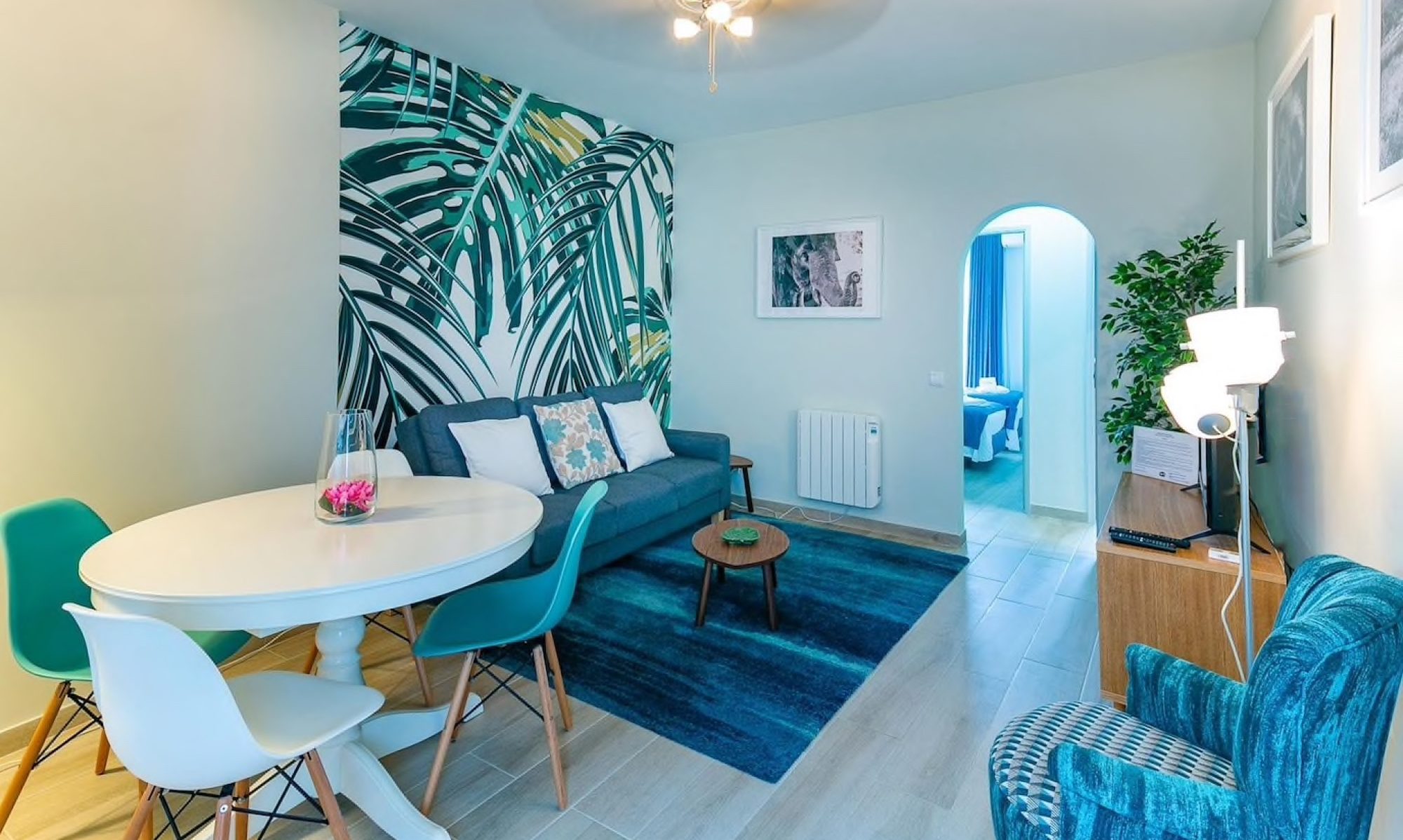
Algarvian Sun Apartments (Lagos View Apartment and Lagos Alegre Apartment), located in Lagos are one of the best choices for you departure to explore Algarve.

The Algarve Climate: Where the Sun Is a Constant Companion
The Algarve enjoys a temperate Mediterranean climate, widely regarded as one of the most pleasant in Europe. Summers are hot and dry, winters are mild and relatively short, and sunshine is a near-daily occurrence. Locals often say the region sees more than 300 days of sun each year, and while the exact number may vary, the feeling is unmistakable: light is abundant, generous, and ever-present.

Unlike many European destinations, winter temperatures in the Algarve remain comfortable, rarely reaching extremes. Snow is unheard of, frost is rare, and even in the coldest months the days invite outdoor exploration. This climatic stability is one of the reasons the Algarve has long attracted not only tourists, but also retirees, digital nomads, and long-term residents from around the world.
Weather Across the Algarve’s Main Cities
Although compact in size, the Algarve presents subtle variations in weather from east to west.
Faro, the region’s capital, combines historic charm with modern infrastructure. Its proximity to the Ria Formosa lagoon slightly moderates temperatures, resulting in cooler winters compared to inland areas. During January and February, nighttime temperatures can dip below 50°F (10°C), and rainfall is more frequent. In summer, Faro warms comfortably, with daytime highs often approaching 86°F (30°C), though the coastal breeze tempers the heat.
Lagos, further west, feels wilder and more dramatic. The cliffs rise higher, the ocean feels closer, and summer heat can be more intense. On many July and August days, temperatures exceed 86°F (30°C), making Lagos a paradise for beachgoers. Winters are cooler but still mild, with daytime temperatures generally staying below 68°F (20°C).
Albufeira, located in the heart of the Algarve, is known for its beaches and vibrant tourism scene. The area experiences less wind than other coastal towns, creating warm and stable conditions from early summer through early fall. From June to September, both temperatures and visitor numbers remain high, giving the city its energetic summer character.
Spring in the Algarve: When the Coast Awakens

Spring in the Algarve unfolds like the opening chapters of a novel, gentle and full of promise. From late March through June, the landscape transforms. Wildflowers bloom along the cliffs, terraces fill with conversation once again, and the sea regains its deep blue glow.
Temperatures begin around 66°F (19°C) in March and gradually rise to about 81°F (27°C) by June. March sees the highest rainfall of the season, though even then rain rarely dominates the day. As spring progresses, sunlight stretches longer, offering up to fourteen hours of daylight by early summer.
This is one of the most rewarding times to visit the Algarve. The region feels spacious and relaxed, free from the crowds of peak summer. Beaches remain pristine, hotel rates are lower, and restaurants operate at an unhurried pace. The weather is ideal for exploring historic towns, hiking coastal trails, and lingering outdoors well into the evening.
Travelers should pack light clothing suitable for warm days, along with swimwear, as the beaches are already inviting. Sun protection remains essential, as the Algarve sun is strong even in spring. One note of caution: pollen levels can be high, particularly for visitors arriving from non-Mediterranean climates.
In May, international events such as the F1 Powerboat World Championship bring a lively energy to the coast, signaling that summer is approaching.
Summer in the Algarve: A Season Made of Light
Summer in the Algarve is bold, vibrant, and unforgettable. From late June through September, the region lives almost entirely outdoors. The sun rises early, sets late, and dominates the sky with unwavering confidence.

July and August are the hottest months of the year, with temperatures frequently surpassing 86°F (30°C). Rain is virtually nonexistent, and the sea becomes the focal point of daily life. Beaches fill with laughter, boats glide along the cliffs, and the scent of grilled fish drifts through seaside towns.
This is the Algarve at its most animated. Hotels, restaurants, and beach clubs operate at full capacity, and reservations become essential. While crowds are inevitable, they are part of the season’s energy. Those seeking a slightly calmer experience often choose early July or late August, when the atmosphere softens just enough to breathe.
Summer attire should be light and practical, but visitors are advised not to underestimate walking distances in historic towns and coastal paths. Comfortable footwear is as important as sunglasses and sunscreen.
The season also offers unique experiences beyond the beaches. Dolphin-watching tours are popular, as pods often swim close to shore. Boat excursions to the iconic Benagil Caves reveal the Algarve’s geological artistry, while kayaking along the cliffs provides an intimate view of the coast.
Summer nights are long, sometimes illuminated by daylight until 9:00 PM, and the cultural calendar reflects this abundance. Music festivals, film events, jazz performances, and traditional fairs animate towns such as Portimão, Loulé, and São Brás de Alportel.
Prices rise during this period, and patience is required, but the reward is immersion in the Algarve’s most iconic season.
Fall in the Algarve: A Gentle Return to Calm
As September arrives, the Algarve exhales. The heat softens, the crowds thin, and the region settles into a rhythm that many travelers consider its most beautiful.
Temperatures gradually fall from around 77°F (25°C) to 64°F (18°C) by December. September remains particularly attractive, offering warm seas, open businesses, and fewer visitors. October brings cooler evenings and noticeably lower prices, while still preserving sunny days ideal for exploration.
Fall is a season for balance. Visitors can still swim early in the season, wander historic villages without heat fatigue, and enjoy the region’s culinary traditions. Roasted chestnuts, sold by street vendors as evenings cool, become a sensory hallmark of autumn.
Cultural events continue into October, including the Algarve Classic Festival, which celebrates vintage automobiles and motorsport heritage at the Algarve International Circuit.
Rain becomes more common toward December, gently ushering in winter.
Winter in the Algarve: Quiet, Mild, and Authentic
Winter in the Algarve is often misunderstood. While it is undeniably the low season, it is also a time of understated beauty and authenticity.

From December through February, daytime temperatures average around 63°F (17°C), rarely dropping below 50°F (10°C) at night. January is the wettest month, yet rainfall remains modest compared to northern Europe or even northern Portugal.

The days are shorter, and the ocean cools, making swimming less appealing. However, the region reveals a quieter side. Locals reclaim their towns, cafés feel more intimate, and the coastline becomes a place for reflection rather than recreation.
Visitors should pack warm layers, especially for evenings, along with comfortable, weather-appropriate footwear. Many businesses operate on reduced schedules, and some close temporarily, reinforcing the season’s tranquil atmosphere.
Winter also hosts some of the Algarve’s most character-rich events. The Paderne Medieval Fair in December transforms history into spectacle, while February brings the exuberant Loulé Carnival, inspired by both Brazilian Carnival and New Orleans’ Mardi Gras. Chocolate lovers are drawn to the Loulé Chocolate Festival, where local artisans showcase their craft.
When Is the Best Time to Visit the Algarve?
There is no single answer—only the right season for each traveler. Spring and early fall offer the best balance of weather, affordability, and tranquility. Summer delivers energy, warmth, and the quintessential Algarve experience. Winter provides calm, mild temperatures, and a deeper connection to local life.
No matter when you arrive, the Algarve welcomes you with sunlight, sea air, and a climate that feels less like weather and more like a way of life.
#LagosViewApartment #Algarve #Portugal #Holiday #Sun #Beaches